Why Storybook Scenes Make Lemax Villages Unforgettable
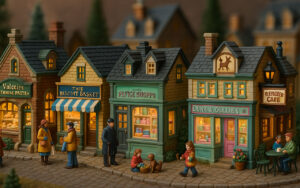
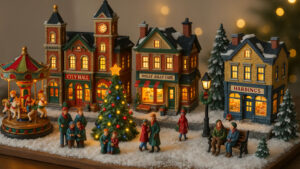
There’s something undeniably magical about a Lemax storybook village. These aren’t just displays — they’re miniature worlds frozen in time, telling tales of snowy nights, twinkling lights, and characters caught mid-scene. As a collector, I’ve found that the most memorable villages aren’t the biggest — they’re the ones that feel like they’ve leapt out of a well-loved holiday book.
Creating a storybook-style display is more than arranging buildings — it’s about crafting a setting that invites viewers to imagine what happens next. In this guide, I’ll show you how to turn your Lemax setup into a cozy, narrative-rich world with detail, depth, and heart.
Pick a Narrative to Anchor Your Scene
All great stories have a beginning, middle, and end — and so should your village. Before placing a single piece, decide on your story theme:
- The Toymaker’s Town: A sleepy street where elves and craftspeople work by candlelight
- Christmas Eve Adventure: A child lost in a winter market, chasing a mysterious reindeer
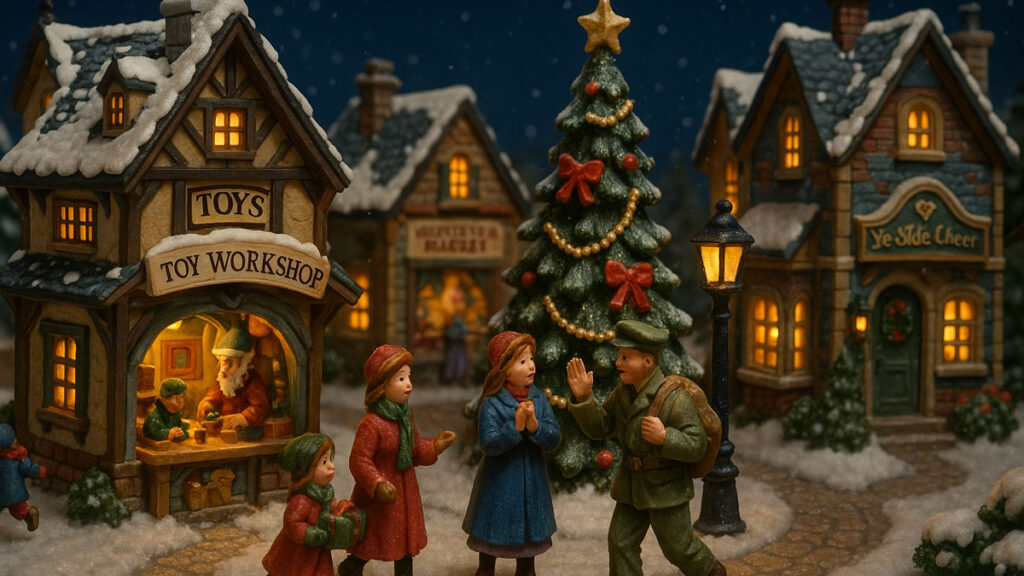
- The Return Home: Villagers welcoming a soldier or traveler during the first snowfall
Use this narrative to guide building placement, lighting, and figurine choices. You’re not just creating a layout — you’re staging a scene.
Choose Buildings That Set the Tone
Start by selecting 3–5 Lemax buildings that feel “storybook.” My go-to pieces for this include:
- Mrs. Claus’ Kitchen – warm lighting and bakery details
- The Nutcracker Ballet Theater – adds elegance and a festive story within a story
- Caddington Schoolhouse – classic, timeless, and perfect for childhood-themed tales
- The Book Nook or Little Toy Shoppe – staples for narrative-heavy displays
Buildings with large window panes, cozy interiors, or period architecture create instant storybook vibes. As of publish date, these retail between $34.99 and $74.99. For older or hard-to-find models, check eBay, Facebook Marketplace, or Amazon .
Use Figurines to Capture a Moment in Time
Figures are what truly bring the story to life. Don’t just scatter them — place them with intention. Some ideas:
- A child gazing into a toy shop window
- A baker handing a pie to a bundled-up shopper
- Two villagers mid-conversation near a lamppost
Less is more. Choose figures that express emotion or action, and place them so the viewer naturally “reads” the scene from left to right or front to back.
Build Layers to Create Depth and Drama
Storybook scenes often have a theatrical quality. Use levels and perspective to mimic a stage:
- Back layer: Tall buildings or hills
- Middle layer: Trees, fences, smaller buildings
- Front layer: Figures and accessories that interact with the viewer
Use foam risers, books, or tiered platforms covered in snow blankets to create vertical interest. Add trees or lampposts to frame the scene and lead the eye inward.
Set the Mood with Lighting and Color
Soft lighting makes a world of difference in a storybook scene. Think warmth, glow, and contrast. Try these:
- Warm white fairy lights woven into rooftops or trees
- Backlighting behind buildings to cast shadows and add depth
- LED streetlamps or lanterns near key character moments
Color matters too. Stick to a palette — deep reds, forest greens, and antique golds evoke classic holiday tales. Avoid neon or overly saturated tones unless the story calls for it.
Include Background Elements to Frame the Tale
Backdrop details make your village feel complete. Use:
- Printed backdrops of snowy mountains or a starry sky
- Faux brick or pine paneling behind the scene
- Frames, curtains, or arches to create a “stage set” feel
For a shelf or mantle display, consider enclosing the scene in a wooden box or frame to enhance the diorama effect.
Sound and Motion for Magic
Want to make your storybook village unforgettable? Add subtle motion or sound:
- A rotating carousel or skating rink
- Santa’s sleigh flying by on a pully track overhead
- A music box playing “Silent Night” from behind a tree
Use sound and movement sparingly — they should support your story, not distract from it. When well-placed, they add enchantment without overwhelming the scene.
FAQs
What makes a Lemax display feel like a storybook village
A central narrative, expressive figures, warm lighting, and a cohesive color palette create the storybook feel.
How many buildings should I use for a storybook layout
3–5 thoughtfully chosen buildings are often enough. Focus on quality and placement over quantity.
Can I mix different Lemax themes in a storybook scene
Absolutely. Just be sure to unify them with a clear story, similar lighting, and consistent background elements.
Where can I find storybook-style Lemax buildings
Look for pieces in the Caddington Village line, holiday shoppes, or anything with animated interior scenes.
Final Thoughts
If you want your Christmas village to capture hearts and spark imagination, there’s no better approach than a Lemax storybook village. By focusing on emotion, detail, and cohesive storytelling, you’ll build a scene that lives on in memory — not just during the holidays, but for years to come. So pull out your favorite pieces, write your village’s “plot,” and let your tabletop become the stage for something magical.